Library - In Memoriam
Remembering oral history interviewees who have passed away.
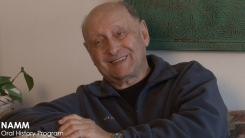
Harry Hirsch was the studio designer and audio engineer behind several important achievements in audio engineering. He built such studios as SoundMixers in the Brill Building in New York and MediaSound, which was designed in 1977.
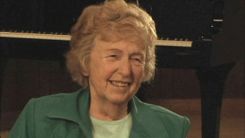
Teresa Leithold began teaching music in 1956 and conducted her last lesson just ten days before she passed away at the age of 87 on February 13, 2019. Music was her passion! While her husband ran the family music store in La Crosse, Wisconsin, Mrs.
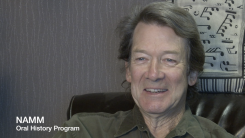
Paul Hostetter’s career as a luthier dates back to 1963, although his passion for music may have been born when he was. He started by giving guitar lessons before he began building instruments. Paul played on recording sessions for Motown, including on hits with his personal friend, Marvin Gaye.
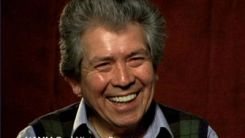
Tony Acosta had a dream to make the world’s finest classical guitar strings. He began working nights to perfect his product and build relationships within the industry and slowly gathered the needed equipment.
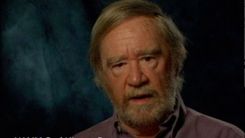
Jim Dunlop started the Dunlop Manufacturing company in 1965 in Benicia, California, and followed his dream to provide quality products for fellow musicians. Along the way he created the Dunlop Cry Baby, an innovative wah-wah pedal for the electric guitar.
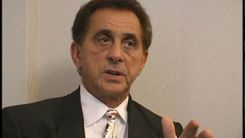
George Klein first met Elvis Presley when the two attended Humes High School in Memphis. Over the years, George became one of Elvis’ closest friends. He was a part of many of the King’s important moments.
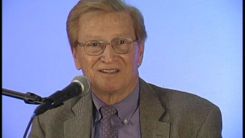
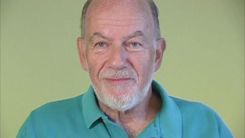
Don Gayle served as a technical writer for Shure for three decades, after a long and distinguished career as a professor of literature. While at Shure, Don’s language skills were key to the quality of materials for instructing customers in the use of each product.
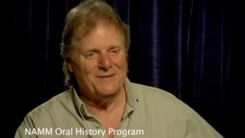
Reggie Young is known throughout the world as one of the great studio session players referred to as the Memphis Boys. He played guitar on thousands of recordings as a session player in Memphis and later Nashville during the 1960s, 70s and 80s - turning out hit recordings that f
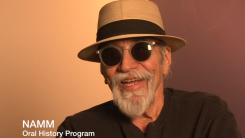
Steve Madaio played trumpet on most of Stevie Wonders recordings during the innovative and creative period between 1971 and 1976.