Library - In Memoriam
Remembering oral history interviewees who have passed away.
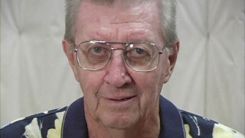
Art Van Damme became one of the biggest stars of the 1950s with a 15-minute radio and TV program, a noted role in the NBC orchestra, and many miscellaneous recordings, all-centering on his talents as an accordionist.
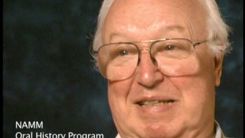
Jake Hanna was the epitome of what a big band drummer is all about. Jake started playing drums at five in a drum corps in the Boston area. He continued to play drums in the bands of Harry James, Maynard Ferguson, and Woody Herman, among others.
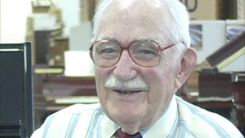
Herbert Newton opened his piano store in 1939, a few years after becoming a piano tuner in the Norfolk area. Back in the beginning of the store, traveling out to nearby farms was key to his success. A decade later he found the key to be servicing pianos for the US Navy.
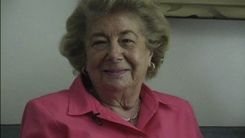
Martha Markowitz married her knight-in-shining-armor right after World War II. She soon helped him run the small organ company he started before the war. The Allen Organ Company has been a pioneering business in church organs and in digital technology for many decades.

Ed Thigpen, known as Mr. Taste for his remarkable touch and feel as an innovative drummer, had a few (hundred) tricks up his musical sleeves when it came to brush work on the snare drums or speed on the high-hat. As a jazz drummer, Ed played with just about everyone everywhere.
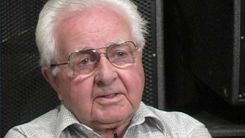
Lowell Kiesel, as the founder of the southern California guitar company Carvin, joined the ranks with Leo Fender, Paul A. Bigsby, and the Rickenbacker Company, in establishing the new era of electric guitar. In 1946 he formed L. C. Kiesel Company winding pickups on an old sewing machine. As the company grew and the product line began to connect with musicians around the world, Lowell changed the name of the company to Carvin, after his sons Carson and Gavin.
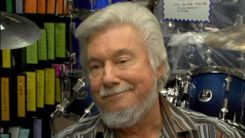
Larry Bearce formed Reston Music in northern Virginia in the 1960s and later opened several locations in the area. One key to the store’s success was the man himself. He was a dedicated music maker who found personal satisfaction in watching students progress and learn music. He took pride in knowing each student and the families, a fact that was apparent to all those who visited his store. Larry was proud of his staff and the fact that all of his seven children have something to do with music, including a son who runs one of the stores.
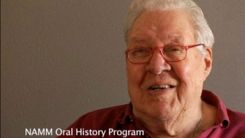
Peter Heid enjoyed his career playing with many of the dance bands of the 1930s and 1940s in his hometown of Appleton, Wisconsin. After the war, he used his love of music to open a small store, Heid Music, in the heart of downtown Appleton. The store continued to grow over the years as Peter found specific product niches and sales techniques. However, he always looked for ways to increase the store’s relevance to the music community around them.
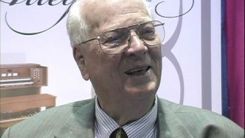
Ray Jent sought to bring service to the Lubbock, Texas, community when he opened a music retail store just after serving in World War II. Ray worked closely with the school band directors and local music teachers to ensure that his inventory and services matched their needs.
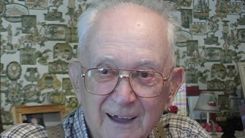
Wilbur Fuller took to woodwork at a young age. When he was 16, from the instructions in a magazine, he made a desk, which still stands in the corner of his small farmhouse in western Michigan. In 1954, his cousin Walter, who engineered the Gibson amplifier in nearby Kalamazoo, told Wilbur of an opening in the company’s wood shop.